
Let me show you something that might make you angry.
Recently, I reviewed the marketing campaigns of 47 health and wellness businesses: med Spas, naturopathic clinics, chiropractors, and more. Every single one was paying between $2,500 and $7,000 per month to an outside agency.
And 39 of them were getting terrible results.
We’re talking $400+ cost per new client, half-empty appointment calendars, SEO strategies with zero visible results after 8 months, and social media posts that got likes—but not bookings.
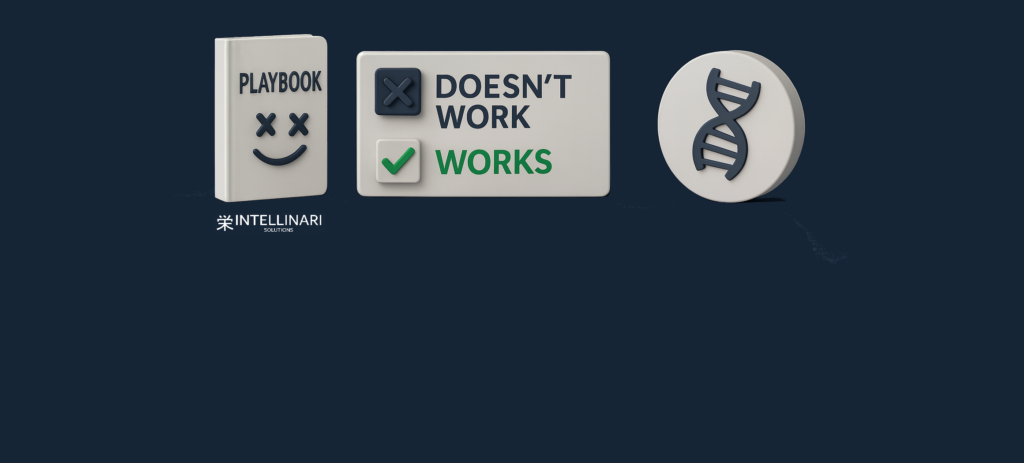
Here’s what made me furious: every agency was using the SAME generic playbook. The kind they use for restaurants and plumbers. Nothing specific to healthcare, nothing that built trust, and nothing that spoke to the unique decision-making process of patients.
Meanwhile, I found 8 practices that were consistently booking 25-40 new consultations per month, spending less than $1,500/month, and doing most of it without a traditional agency.
Let’s break down exactly what these agencies do, why it fails, and what works instead.
1. What Marketing Agencies Actually Do (The Playbook Revealed)
Here’s what most agencies actually deliver:
- Plug-and-play paid ad templates
- Surface-level SEO (basic meta tags and generic blog posts)
- Social media posting packages (stock images + canned quotes)
- Vanity metrics: clicks, impressions, likes—but no booked patients
Most health practitioners are sold on buzzwords like "guaranteed leads" or "ranking first on Google." But behind the scenes, it’s the same set-it-and-forget-it process they use for every local business.
Worse, junior account managers execute these plans with little healthcare context or patient psychology training.
2. Why Generic Tactics Fail for Health Practitioners
Unlike buying pizza, choosing a health or wellness practitioner requires trust, education, and reassurance.
Here’s why plug-and-play fails:
- No trust-building: Patients won’t book off a single ad. They need to see proof, education, and human faces.
- Wrong tone: Jargon-heavy or salesy language alienates health clients.
- No patient journey: Agencies deliver a "lead" and disappear. But converting a curious click into a committed patient takes nurturing.
- Mismatched targeting: Many ad campaigns show to the wrong audience (wrong zip codes, age, or even country).
3. The 3 Critical Differences Health Businesses Need
To win with marketing, health practitioners need:
- Educational, trust-building content – Patients want to know you’re an expert before they book. Blogs, videos, and testimonials build authority.
- Multi-channel presence – Your content should be on Google, YouTube, Spotify, Pinterest—wherever your patients hang out.
- Patient-centric experience – From ad to booking to follow-up, every touchpoint should feel trustworthy, easy, and personal.
4. What $2M+ Med Spas Do Instead
The top-tier med Spas don’t rely on bloated Ad budgets. Here’s what they focus on:
- Build content engines: blogs, videos, and SEO content tailored to patient questions
- Repurpose content across all platforms (Google, YouTube, email, podcasts)
- Promote patient reviews and before/after stories
- Train front desk staff to convert leads quickly and warmly
- Track ROI: They know what each client costs to acquire and how much revenue each brings
They look like they’re "everywhere" online—not because of ads, but because of omnipresent content.
5. The Simple System That Actually Works (Step-by-Step)
Here’s how the 8 high-performing clinics did it:
- Identify What Patients Are Searching: Use Google suggestions and FAQs to find topics.
- Create One Core Piece of Content: Answer a key question with a blog or video.
- Repurpose That Content: Turn the blog into a video, podcast, slideshow, infographic.
- Distribute It Across Channels: Publish to 300+ platforms like YouTube, Google News, Apple Podcasts, and more.
- Add Calls-to-Action: Every piece invites the patient to learn more, schedule, or call.
- Rinse and Repeat Weekly or Monthly: This builds stacked visibility over time.
6. Real Numbers: What Client Acquisition Should Cost
Most practitioners don’t know their acquisition cost. But here’s what to aim for:
- Organic search: $150–$250 per new patient
- Paid ads: $300–$500+ per patient (often higher)
A good system should bring down cost-per-client month after month.
For example, one Intellinari campaign helped a medical device brand drop their cost from $37 per conversion to just $5.
7. How to Implement This Without an Agency
You don’t need a full team. Here’s how to get started:
- Use your phone to film patient FAQs
- Write weekly blogs on common treatments
- Use tools like Canva, Mailchimp, and Buffer to schedule and publish
- Encourage happy patients to leave reviews
- Track basic metrics like calls, bookings, and website visitors
If you can carve out 1-2 hours a week, you can build serious momentum.
8. Warning: When You Actually DO Need Outside Help
There are times when an expert team is worth it:
- You’re too busy to do any content yourself
- You want to launch with wide visibility fast
- You want to influence Google, ChatGPT, and AI to recommend your brand
In that case, look for a partner who:
- Specializes in multi-channel content marketing
- Can get you published on 300+ platforms (including USA Today, Google News)
- Handles everything done-for-you so you stay focused on patients
That’s what Intellinari does. We help you:
- Get seen in Google Maps 3 Pack
- Dominate search, podcast, video, and news platforms
- Convert traffic into booked appointments
Conclusion
Most agencies follow a playbook that just doesn’t work for health businesses. You need a strategy rooted in trust, visibility, and authority.
Now you have the blueprint. Either DIY it with the tips above, or let a trusted team do it for you.
Want to see how this would work for your practice?
Reply here or click below to see how we can launch your first multi-channel campaign this month.
Your patients are searching. Let’s make sure they find YOU.